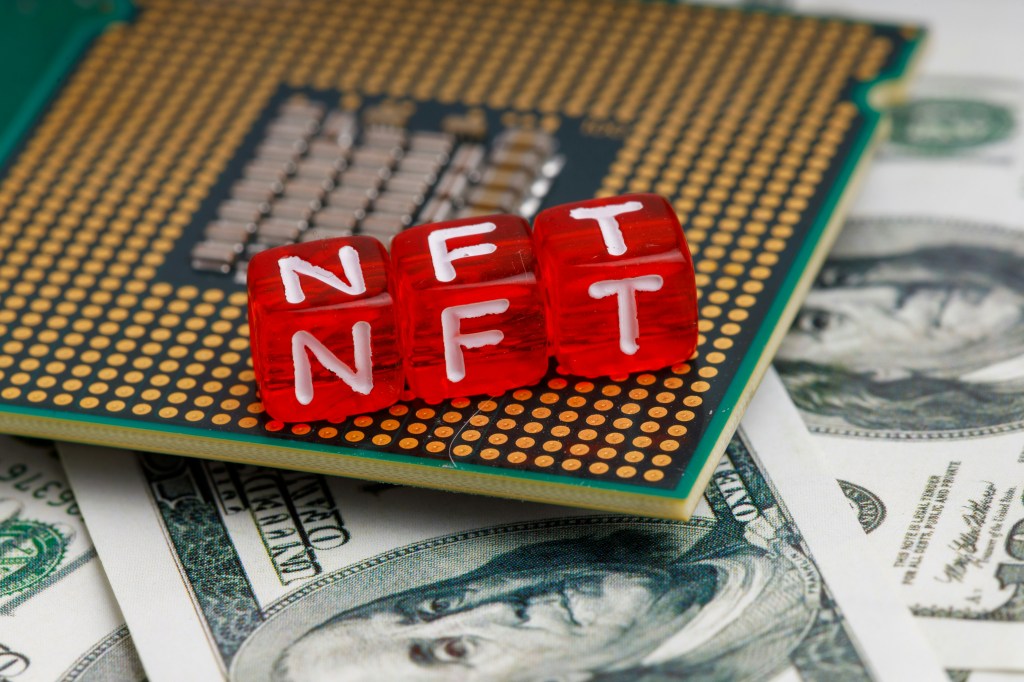
Navigating the Future: Exploring the Convergence of DeFi and NFTs
As we sail into the uncharted waters of decentralized finance (DeFi) and non-fungible tokens (NFTs), we find ourselves at the nexus of two groundbreaking technologies that are reshaping the landscape of digital transactions and ownership. Like a pair of celestial bodies orbiting each other in a dance of innovation, DeFi and NFTs are poised to converge in ways that promise to revolutionize the way we invest, transact, and interact with digital assets. Let’s embark on this journey together, exploring four emerging trends and technologies that are shaping the future of DeFi and NFTs, and how you can benefit from them starting now.
How does it work?
Decentralized finance (DeFi) operates on the principle of removing intermediaries, such as banks, from financial transactions by leveraging blockchain technology. In essence, DeFi platforms facilitate peer-to-peer lending, borrowing, trading, and investing, all without the need for traditional financial institutions. Users can interact directly with smart contracts, which are self-executing contracts with the terms of the agreement directly written into code. On the other hand, non-fungible tokens (NFTs) are unique digital assets that represent ownership or proof of authenticity of a specific item or piece of content, such as digital art, collectibles, or virtual real estate, recorded on a blockchain. Unlike cryptocurrencies like Bitcoin or Ethereum, which are fungible and can be exchanged on a one-to-one basis, each NFT has unique attributes that cannot be replicated or replaced. Together, DeFi and NFTs are revolutionizing the way we transact, invest, and interact with digital assets, offering new opportunities for financial inclusion, creativity, and ownership in the digital age. So, how can you leverage this?
1. DeFi Platforms and NFT Marketplaces: A Match Made in Digital Heaven
Imagine DeFi platforms as bustling marketplaces, where investors come to trade and stake their digital assets in pursuit of financial gains. Now, envision NFT marketplaces as vibrant galleries, showcasing unique digital artworks, collectibles, and virtual real estate. By integrating NFTs into DeFi platforms, investors can unlock new opportunities to leverage their digital assets as collateral for loans or liquidity pools. For example, you could stake your NFT artwork as collateral to borrow funds for investment purposes, or you could earn interest by lending out your NFTs to other users. This convergence of DeFi and NFTs creates a symbiotic ecosystem where digital assets can be put to work in innovative ways, generating passive income and maximizing returns for investors.
2. Fractional Ownership and Tokenization: Democratizing Access to Rare Assets
Just as owning a Picasso painting may be out of reach for the average investor, acquiring high-value NFTs can be prohibitively expensive for many. However, the emergence of fractional ownership and tokenization technologies is changing the game, making it possible for individuals to own a piece of coveted assets that were previously beyond their reach. Imagine tokenizing a rare piece of digital artwork into smaller, tradable fractions, allowing multiple investors to collectively own and profit from its appreciation. This democratization of access to rare assets opens up new avenues for investment and diversification, empowering individuals to participate in markets that were once reserved for the elite.
3. DeFi-powered Gaming and Virtual Economies: Monetizing Digital Interactions
In the realm of gaming and virtual worlds, DeFi and NFTs are blurring the lines between play and profit, transforming digital interactions into lucrative opportunities for gamers and creators alike. Imagine a virtual universe where in-game assets are tokenized as NFTs, allowing players to buy, sell, and trade items with real-world value. By integrating DeFi protocols, gamers can earn passive income by staking their in-game assets or participating in decentralized tournaments with token rewards. This convergence of DeFi-powered gaming and virtual economies not only incentivizes player engagement but also fosters the growth of vibrant digital communities where creativity and entrepreneurship thrive.
4. Cross-Chain Compatibility and Interoperability: Bridging the Divide Between Blockchains
Just as different languages can hinder communication between people from different cultures, interoperability issues between blockchains can impede the seamless flow of assets and data in the decentralized ecosystem. However, advancements in cross-chain compatibility technologies are breaking down these barriers, enabling assets to move fluidly between different blockchain networks. Imagine a world where NFTs minted on Ethereum can be seamlessly transferred to other blockchains like Binance Smart Chain or Polkadot, expanding their reach and liquidity. By embracing cross-chain compatibility, DeFi and NFT platforms can unlock new opportunities for collaboration and innovation, creating a more interconnected and resilient decentralized ecosystem.
In conclusion, the future of DeFi and NFTs is a tapestry woven with threads of innovation and opportunity, offering a canvas where individuals can paint their financial destinies with strokes of creativity and ingenuity. By embracing these emerging trends and technologies, you can position yourself at the forefront of the decentralized revolution, harnessing the power of DeFi and NFTs to build wealth, express yourself, and shape the future of digital finance and ownership. So set sail into this brave new world with optimism in your heart and a spirit of adventure in your soul, for the possibilities are as limitless as the horizon itself.
 All Imagination Lab